Temporomandibular Disorders (TMD) affect the jaw joint and surrounding muscles, causing pain, clicking, locking, and difficulty chewing. Dr. Sandhya Gokavarapu provides comprehensive evaluation and surgical or non-surgical treatment to restore comfort and function.
TMJ Treatment in Hyderabad focuses on identifying the root cause of jaw joint dysfunction and providing customized care for long-term relief. Treatment options may include medication, physiotherapy, oral splints, lifestyle modifications, minimally invasive procedures, or advanced surgical interventions when required. With accurate diagnosis and a patient-centered approach, individuals suffering from chronic jaw pain, limited mouth opening, facial discomfort, or recurring headaches can regain normal jaw function and improve their overall quality of life.
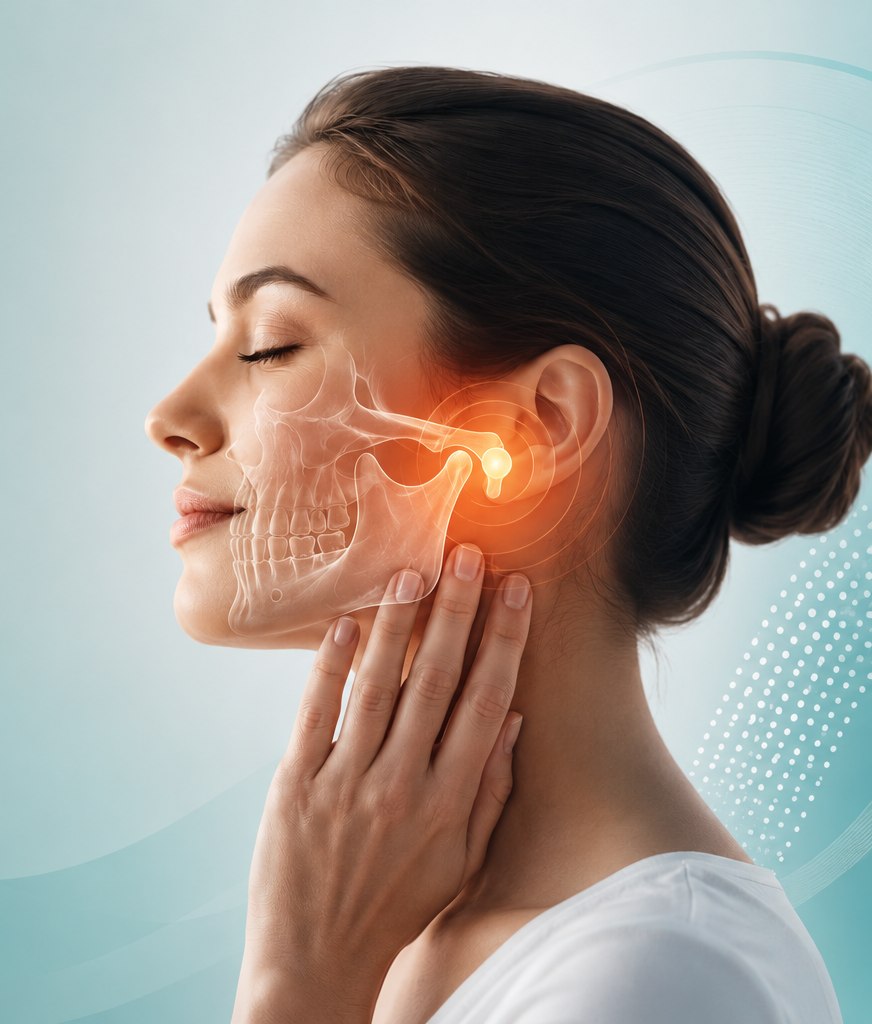
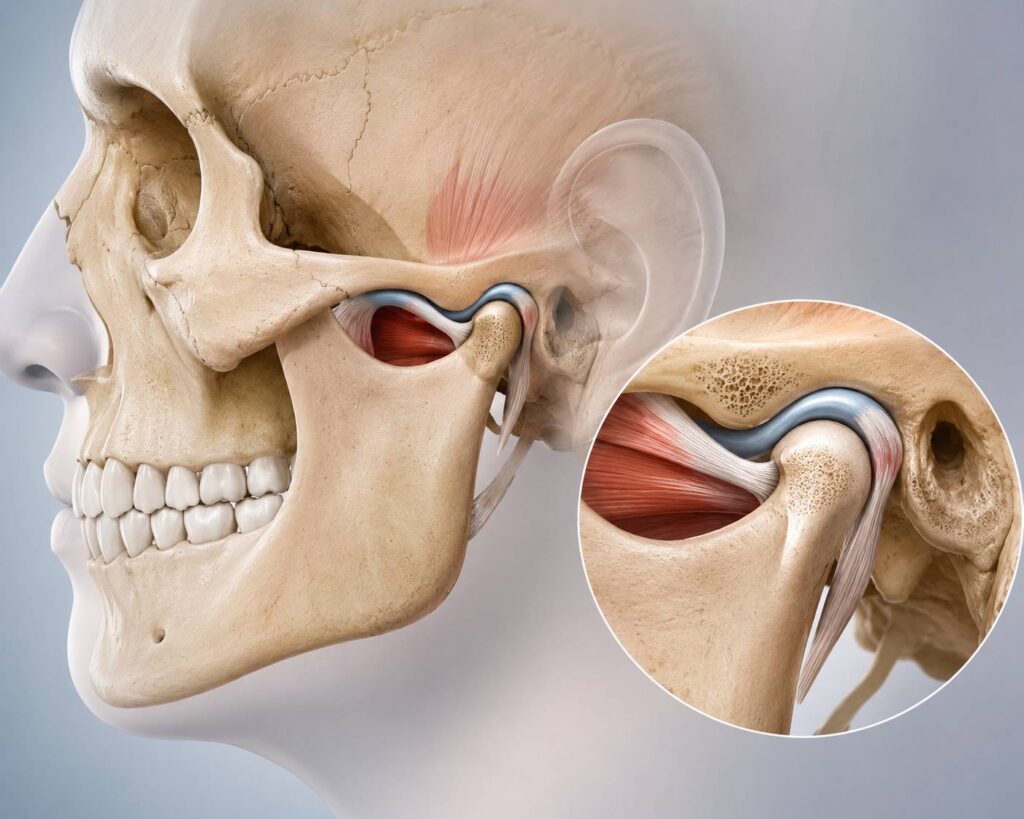
The temporomandibular joint (TMJ) connects your jawbone to your skull, acting as a sliding hinge on both sides of your face. It controls chewing, speaking, and mouth opening. When the joint or surrounding muscles malfunction, the resulting condition is called Temporomandibular Disorder or TMD.
TMD is one of the most common chronic orofacial pain conditions, often underdiagnosed and undertreated.
TMD can stem from problems with the joint itself, the surrounding muscles, or both requiring specialized evaluation.
Most TMD cases respond well to conservative management. Surgical options are available for complex or unresponsive cases.
Persistent or episodic pain around the jaw joint, cheeks, or temples often worse in the morning.
Audible or palpable clicking, popping, or grating when opening or closing the mouth.
Difficulty or inability to open or close the mouth fully can occur suddenly and be very distressing.
Pain or discomfort while eating, or a sensation that the upper and lower teeth don't bite together properly.
Recurring tension-type or migraine-like headaches, often emanating from the temples or the sides of the head.
Pain, fullness, or ringing in the ears (tinnitus) often mistaken for ear infections due to the proximity of the TMJ.
Aching or tired feeling in the face, especially in the cheeks and around the jaw area after talking or chewing.
Habitual clenching or grinding of teeth often during sleep places excessive stress on the TMJ and surrounding muscles, accelerating joint wear.
Trauma from accidents, sports injuries, or facial fractures can directly damage the joint, disc, or condylar structures, leading to acute or chronic TMD.
Osteoarthritis and rheumatoid arthritis can affect the TMJ, causing progressive joint degeneration, pain, and restricted movement over time.
Psychological stress leads to jaw clenching and sustained muscle tension, which overloads the TMJ and triggers a cycle of pain and dysfunction.
Displacement or deformation of the articular disc within the TMJ causes clicking, catching, and eventually locking of the jaw if untreated.
First-line approach involving lifestyle modifications, jaw rest, warm compresses, and dietary changes to reduce joint stress and muscle overload.
Custom-fabricated occlusal splints or night guards to reduce bruxism forces, reposition the joint, and relieve muscular tension during sleep.
Osteoarthritis and rheumatoid arthritis can affect the TMJ, causing progressive joint degeneration, pain, and restricted movement over time.
Targeted jaw exercises, manual therapy, ultrasound, and TENS to strengthen muscles, improve mobility, and restore pain-free movement.
Minimally invasive keyhole surgery to visualize the joint, remove scar tissue, reposition the disc, and lavage the joint space under direct camera guidance.
Reserved for severe structural damage, ankylosis, or tumors involving the TMJ — open surgical procedures including condylotomy, discectomy, or joint replacement.
Schedule your consultation at our Jubilee Hills clinic at a time that suits you.
Thorough examination of your jaw, bite, muscles, and joint plus review of imaging if available.
Clear explanation of your diagnosis with a personalized, staged treatment roadmap.
Start your individualized treatment with ongoing support through recovery and long-term follow-up.